
Top 10 Cat Breeds in India: A Comprehensive Guide for Cat Lovers
From quirky personalities and calming purrs to quick reflexes and graceful movements, cats have a unique charm. They are independent yet affectionate, playful yet serene, and tend to get along well with both kids and the elderly. Whether you live in an apartment complex, a mid-sized home, or even a farmhouse, cats can comfortably adjust to different housing spaces. Their compact size and love for cozy spots make them the ideal companion for households of all kinds.
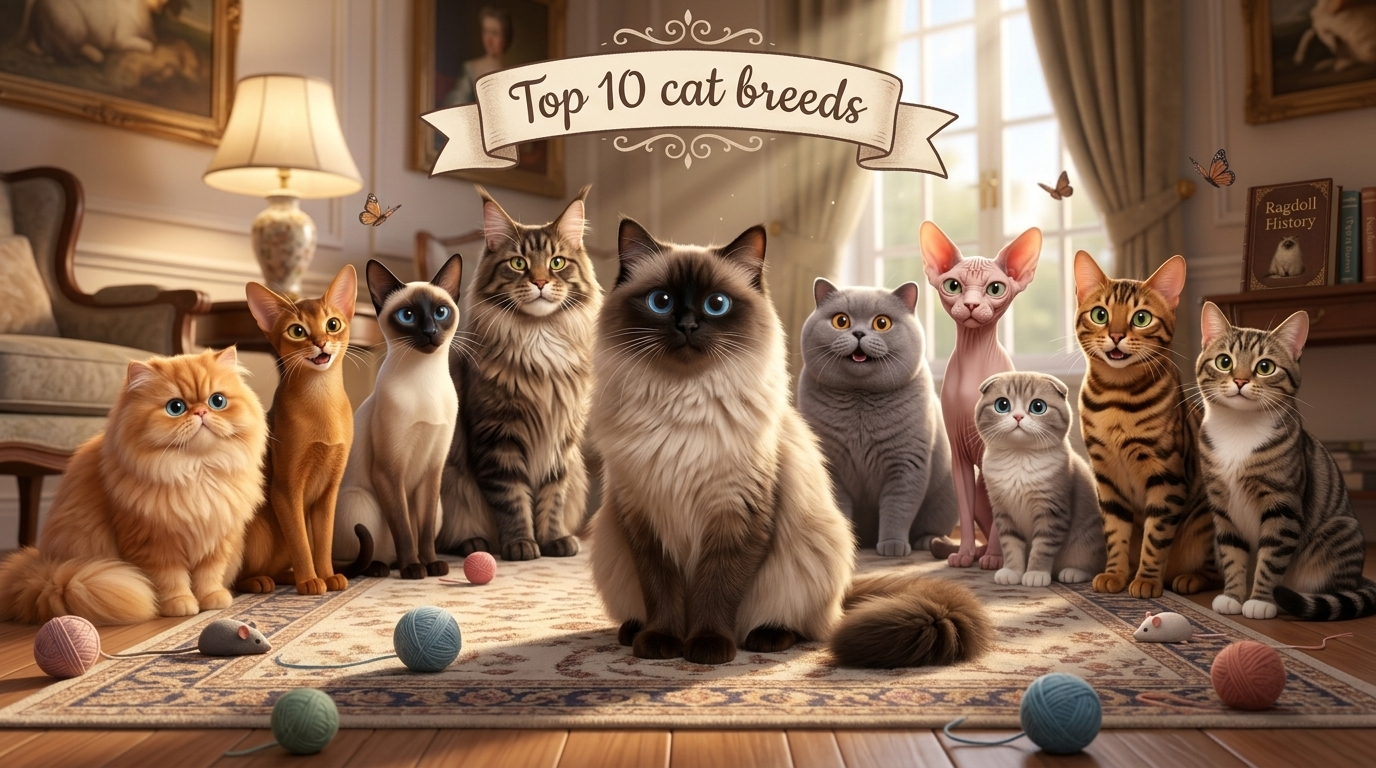
While India is home to a variety of cat breeds, each brings its own traits, temperament, and charm, with Persians, Siamese, Bengals, and Maine Coons being some of the most popular ones. However, bringing home a cat is more than just welcoming a pet; it’s about finding a companion that fits your lifestyle and ability to meet their needs.
Understanding each breed can help you make an informed, lasting choice. This guide will cover the top 10 cat breeds in India, their characteristics, and what makes each of them special, so let’s get started!
1. Native Indian Cats
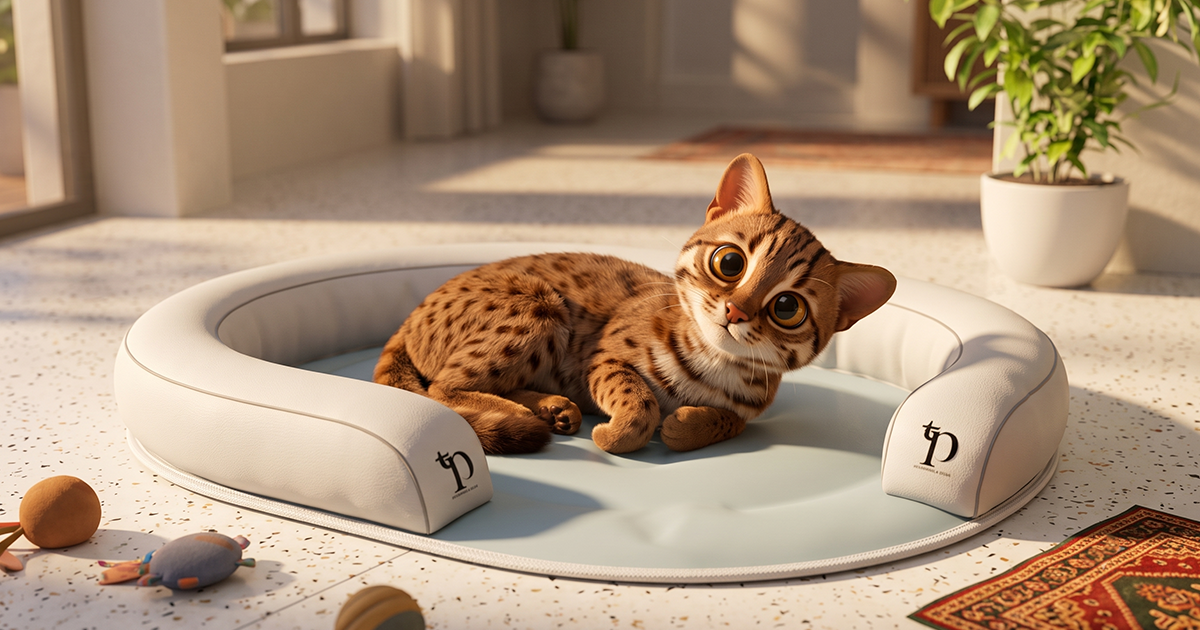
Native Indian cats, also popularly known as Indie, Desi, or Spotted cats, have made their way into the hearts and homes of millions of Indian families for centuries. While they are one of the smallest among all felines, desi cats are highly resilient, agile, friendly, and adaptable, especially to Indian climatic conditions. Their short-haired coats are usually rusty brown or greyish-brown with dark-colored spots and patterns, and their average lifespan ranges between 12 and 16 years. Although indie cats are largely independent, they are known to form deep bonds with their owners.
When it comes to maintenance, native Indian cats are relatively low-effort companions. Basic vaccinations, regular vet checkups, a nutritious diet, and occasional at-home grooming are a must. Being naturally domestic, they adjust well to local conditions and don’t need specialized care. If you’re a first-time pet parent or a family looking for a low-maintenance and loving cat, desi cats make a wonderful choice!
2. Bengal Cats
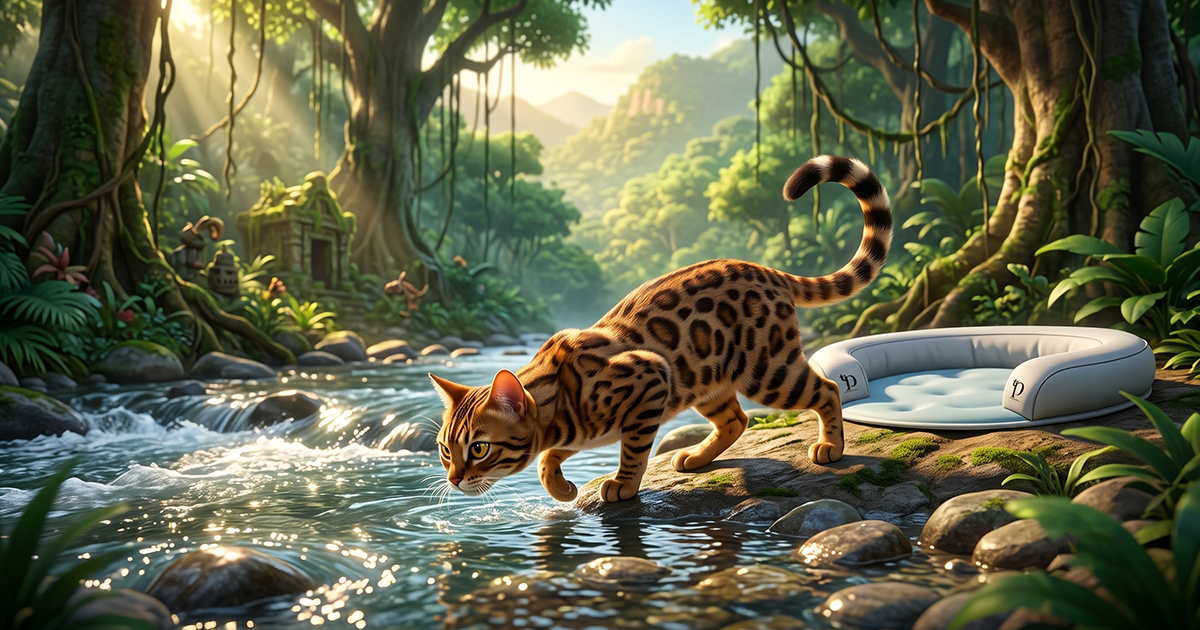
If you’ve ever seen a cat that closely resembles a leopard, it might have been a Bengal cat. A mix of domestic and Asian leopard cats, this breed stands out for its distinctive golden-brown coat and a sleek, muscular build. They are extremely athletic, energetic, adventurous, and curious, needing plenty of physical and mental stimulation.
While Bengal cats are known to be loyal and friendly, they are not the biggest cuddlers, but this differs from one cat to another and also depends on the environment they are brought up in. Bengal cats are also quite easy to care for and need minimal grooming due to their short and fine hair; however, you will need to invest in interactive toys and make time for regular interaction and socialization to keep them happy and content. Lastly, as Bengal cats love jumping, climbing, and exploring, they are best suited for active homes with large indoor spaces.
3. Bombay Cats
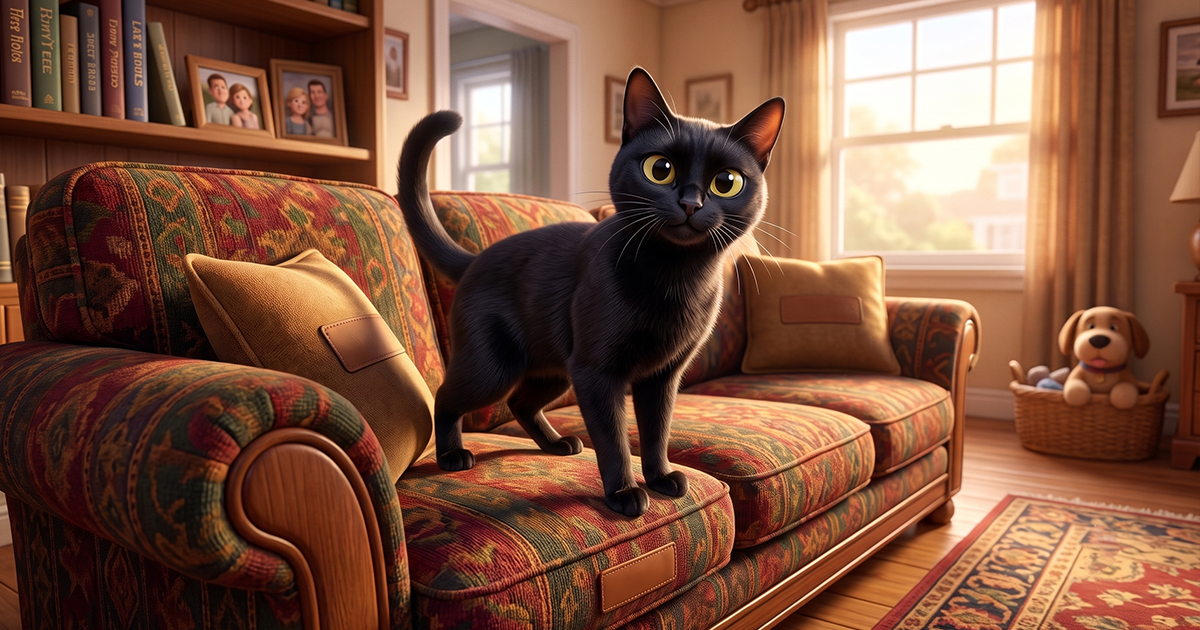
While Bengal cats look like leopards at a glance, Bombay cats look like tiny panthers with their shiny, jet-black coats and round, light green/golden-ish eyes. Like most other breeds, they have an average lifespan of 12 to 16 years, and although they may look ferocious, Bombay cats are quite affectionate and loving. They are also known to love lounging in warm & sunny spots and can cuddle endlessly with their owners.
The best part? This breed is short-haired, so you won’t have to do much apart from brushing your cat’s fur weekly and giving them a nail trim once every two to three weeks. Bombay cats, however, do need a nutrient-rich diet to maintain their glossy coat and also require daily interaction, as they are social by nature. Lastly, it is important to understand that not all black cats are Bombay cats, so you must do your research!
4. Maine Coon Cats
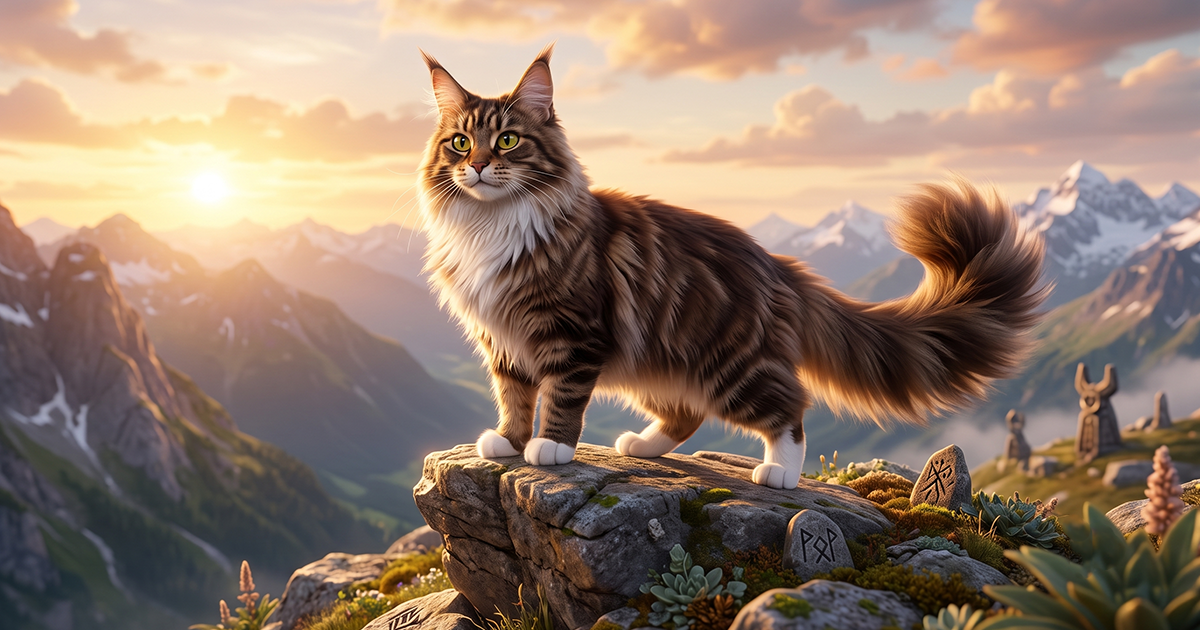
In recent years, Maine Coon cats have gained massive popularity across India. As the name suggests, they originated from Maine, U.S.A., and are one of the largest breeds to be domesticated. Maine Coons have a muscular build, long fur, tufted ears, bushy tails, and the most big, beautiful, and expressive eyes. They are sociable, intelligent, and get along well with other pets and children.
This breed requires consistent grooming since long-haired cats like Maine Coons are prone to tangles and mats. Veterinarians advise brushing their coat at least three to four times a week, and even more frequently if necessary. Additionally, they need ample exercise and mental stimulation to stay healthy and physically fit.
5.British Shorthair Cats
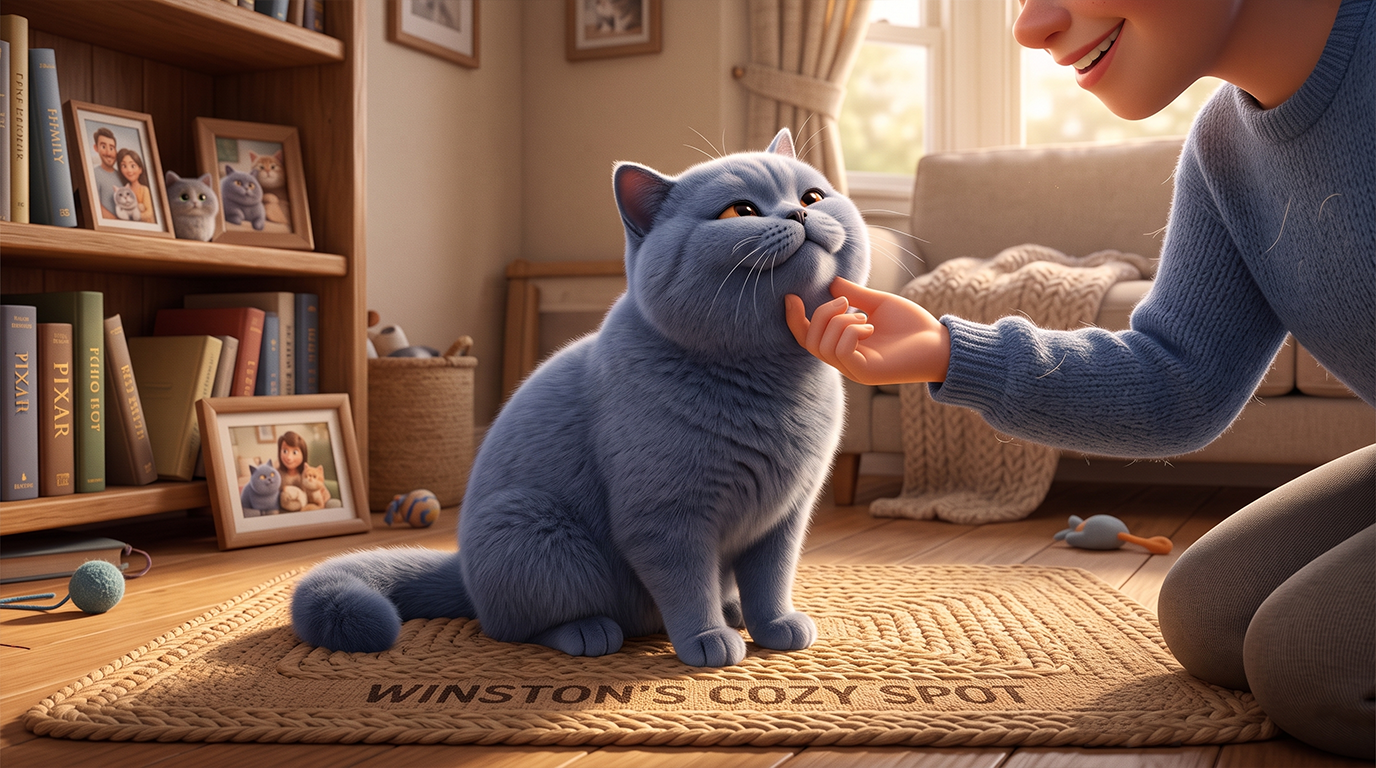
Often compared to teddy bears, British Shorthair cats are known for their broad build, plush coats, round faces, and big eyes that are typically copperish or golden in color. This breed is amongst the oldest in the world, largely owing to its calm and easygoing temperament and the ability to enjoy human company while being independent. The average lifespan ranges between 12 and 17 years, and they adapt well to indoor living.
British Shorthairs also need minimal grooming, making them suitable for working professionals and busy households. However, if you live in a particularly hot region, you might want to reconsider, as British Shorthairs tend to overheat faster compared to other breeds. That said, if you can provide a well-ventilated and air-conditioned space during heatwaves, this breed can comfortably adapt and thrive in your home.
6. Siamese Cats
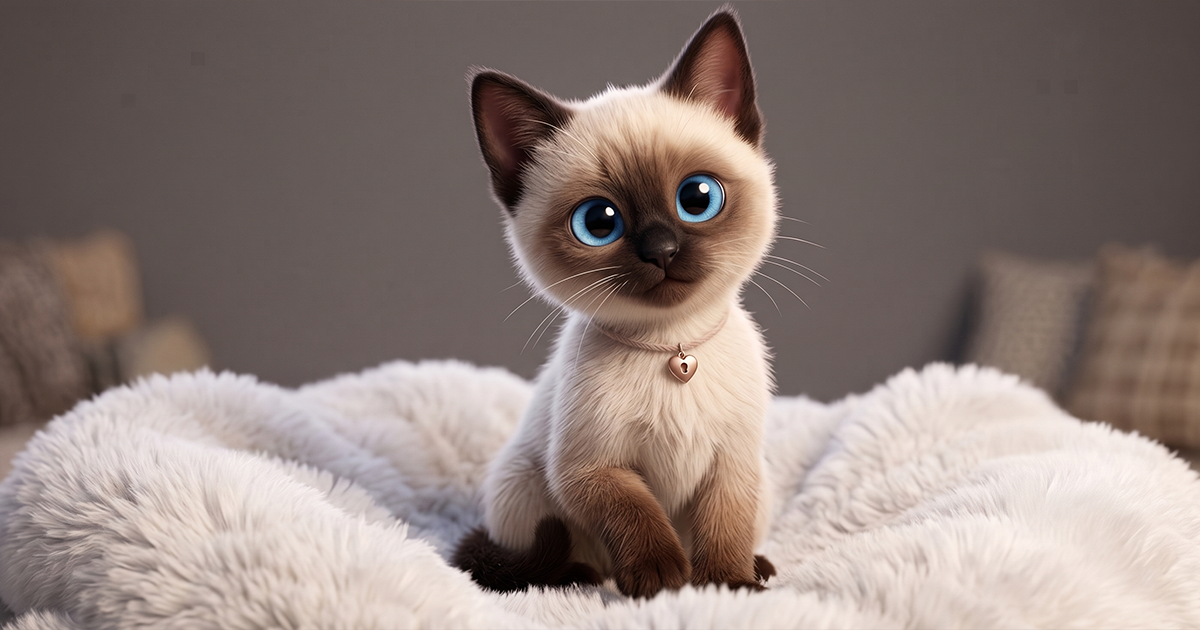
Strikingly beautiful, Siamese cats originated from Thailand and have long been popular pets for royal families in the region. In fact, many movies have also featured Siamese cats, especially because they are social and easily trainable. They have a short coat with distinct color patterns, including white, cream, chocolate brown, seal grey, and hints of lilac.
As far as temperament goes, this breed loves interacting with humans and is known to be quite vocal while doing so. They also require sufficient playtime, mental stimulation, and companionship to stay content, making them more suitable for active households, including those with kids.
7. Persian Cats
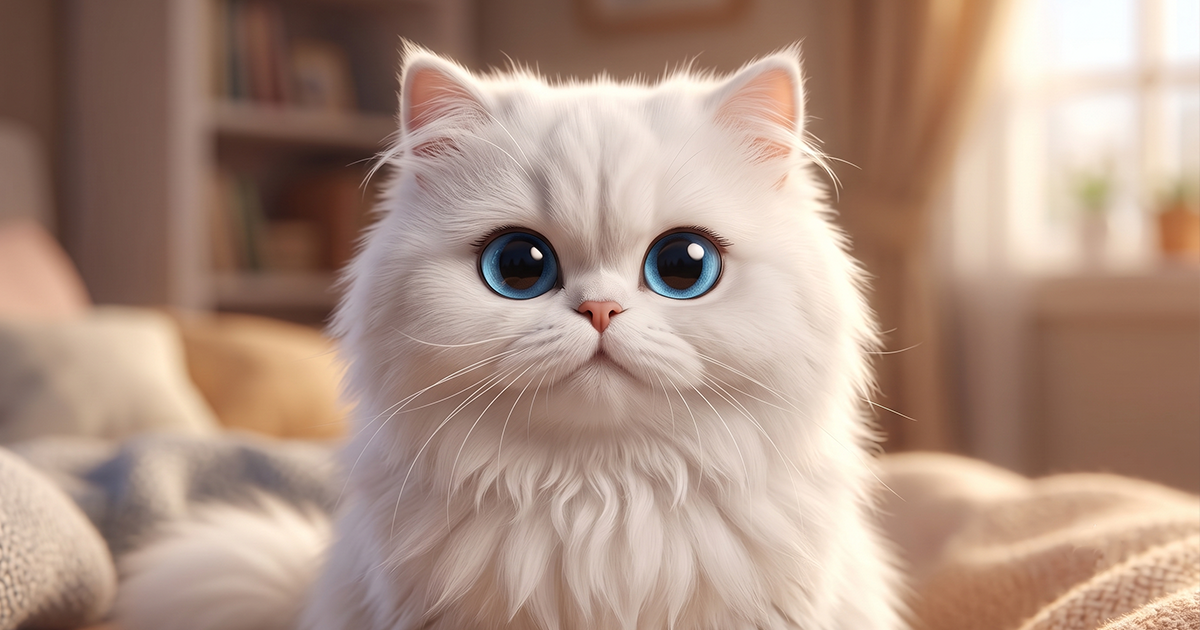
A medium-sized breed, Persian cats are admired for their affectionate, gentle personalities and long, luxurious fur that is often seen in multiple colors as well as bi-color patterns. With an average lifespan of 12 to 16 years, they have round faces, short noses, and expressive eyes that you just cannot miss. Even better, Persians love to be pet and enjoy lounging in comfy corners of the house.
However, this breed is not as low-maintenance as the others, as experts recommend daily brushing to prevent tangling and matting. Persians are also prone to eye infections due to their unique facial structure, making regular eye care essential. Moreover, their thick coat makes them prone to heat discomfort, and providing a cool and comfortable environment is crucial.
8.Himalayan Cats
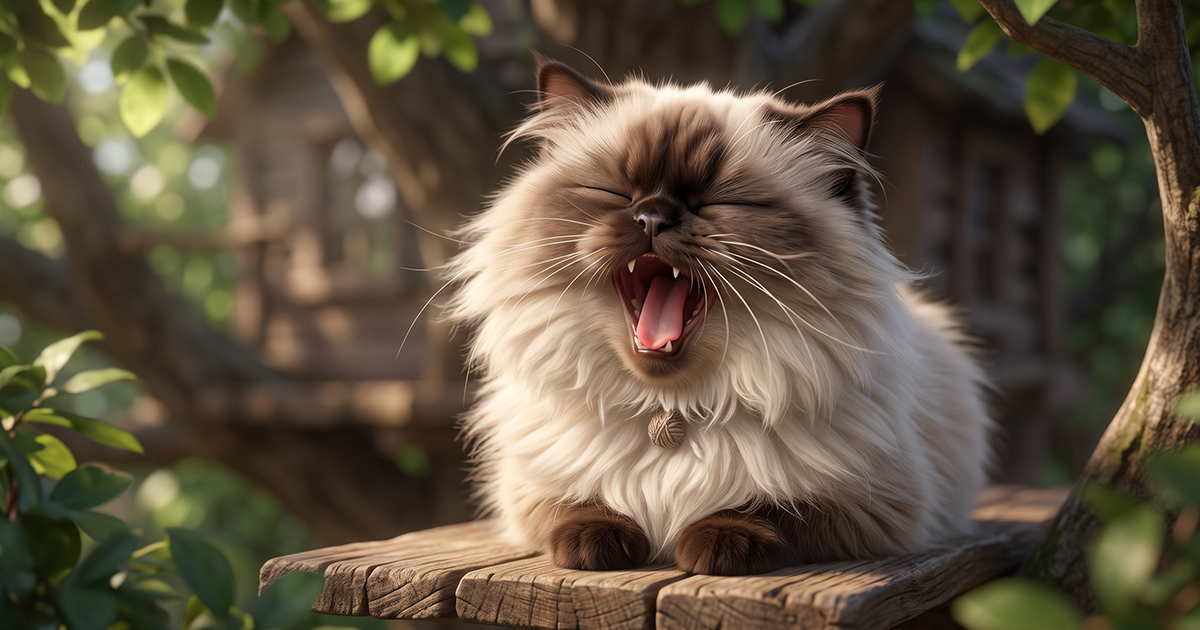
Many people often confuse Himalayan cats with the Siamese or Persian breeds; however, they are a cross between the two. Even though their eyes are distinctively blue, the color markings resemble that of a Siamese, and the long, thick fur comes from their Persian roots. Himalayan cats are comparatively calmer, quieter, and laid-back, making them ideal for all kinds of households, especially those with working professionals.
Just like Persians, they also need frequent grooming and eye checkups and tend to have a lifespan of 9 to 15 years. And while Himalayans don’t really enjoy physical activity, managing their weight is crucial to prevent obesity and other medical issues.
9. Ragdoll Cats
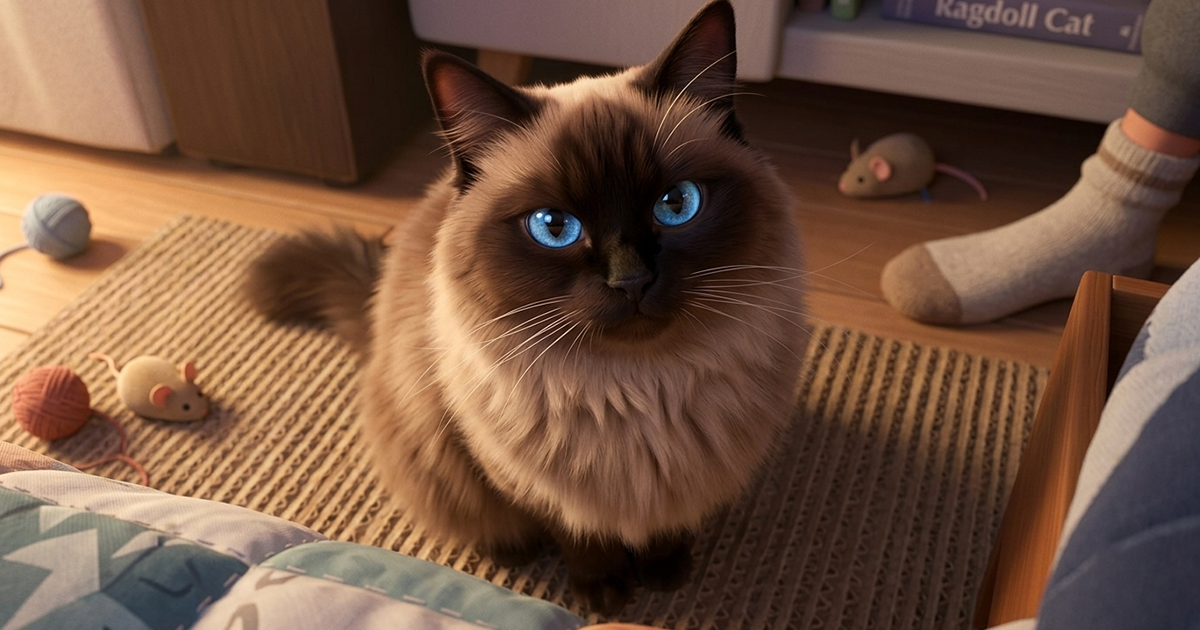
If you’re on the lookout for a cat breed that is mellow and friendly, a Ragdoll cat would be perfect for you. Known to thrive on companionship, they have dog-like personality traits, such as being people-oriented, gentle, tolerant, and cuddly. They are semi-long-haired cats with striking blue eyes and unique color patterns.
Ragdolls are friendly towards kids, elderly people, and even other pets. However, they need proper care and maintenance to stay happy and healthy. This includes regular brushing to prevent fur tangling, moderate play sessions, and a nutritious diet to keep their coat shiny.
10. Burmese Cats
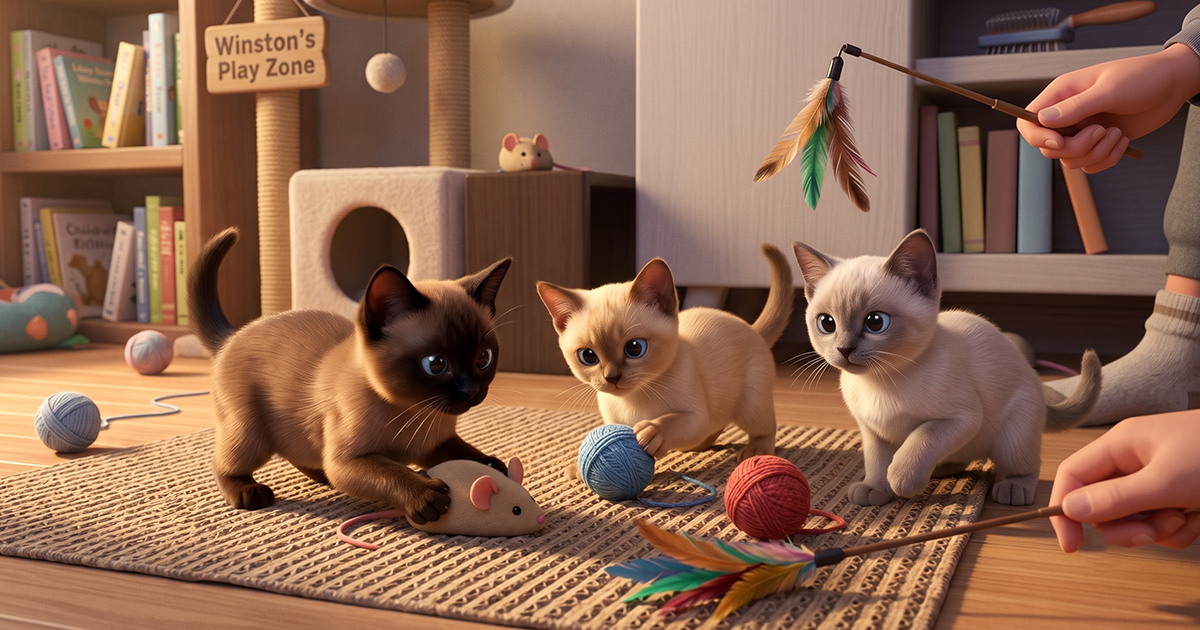
Loyal, playful, and compact in size, Burmese cats have been domesticated across the world for years. With a lifespan of 10 to 16 years, this breed is medium-sized and has a short, glossy coat in beautiful color points like champagne, sable, and platinum. Their fur does not need frequent maintenance; however, regular physical activity, mental stimulation, and plenty of interaction are a must.
Burmese cats are also great with children, making them suitable for both nuclear and joint family settings. But if you plan on getting this breed, it is important to know that it is prone to various genetic health issues, including diabetes and skin infections. Thus, always choose a trusted and ethical breeder, and schedule regular health checkups to stay ahead!
Summing Up
From the resilient Desi cats to the luxurious Persians and playful Bengals, each breed has its own personality, needs, and charm. Before making a decision, consider your home environment, lifestyle, and ability to meet their grooming, health, and activity requirements. With the right choice, you’ll have a loving companion who will bring joy and warmth to your home for years to come!
Frequently Asked Questions (FAQs)
1. Which cat breeds are recommended for first-time pet parents?
Indie/desi cats, British Shorthairs, Burmese cats, and Ragdolls are great for beginners due to their friendly nature and low-maintenance needs.
2. Which cat breeds are considered to be affectionate?
Affectionate cat breeds include Ragdolls, Persians, Burmese, and Himalayans, as they are known for their affectionate and cuddly nature.
3. Are long-haired cats like Persians and Himalayans suitable for hot regions in India?
Yes, but they require a cool and comfortable environment during summer months and regular grooming to prevent overheating and matting.
4. How do I choose the right breed for my home and lifestyle?
Consider factors like your home size, climate, grooming time, and how active or affectionate you want your cat to be before deciding on a breed.
5. Are Bengal cats safe to keep as pets in India?
Yes, Bengal cats are safe and domesticated. However, they are highly active and need plenty of space and stimulation.