
Dog Healthcare Tips: Five Must-Know Essentials for Every Pet Parent
Endless tail wags, bedtime cuddles, loyal companionship, and unconditional love are only a few of the many joys of bringing home a dog. They become essential to our daily routines, wiggle their way into the hearts of our loved ones, and are always ready for an adventure, even if it’s just going for a walk in the park.
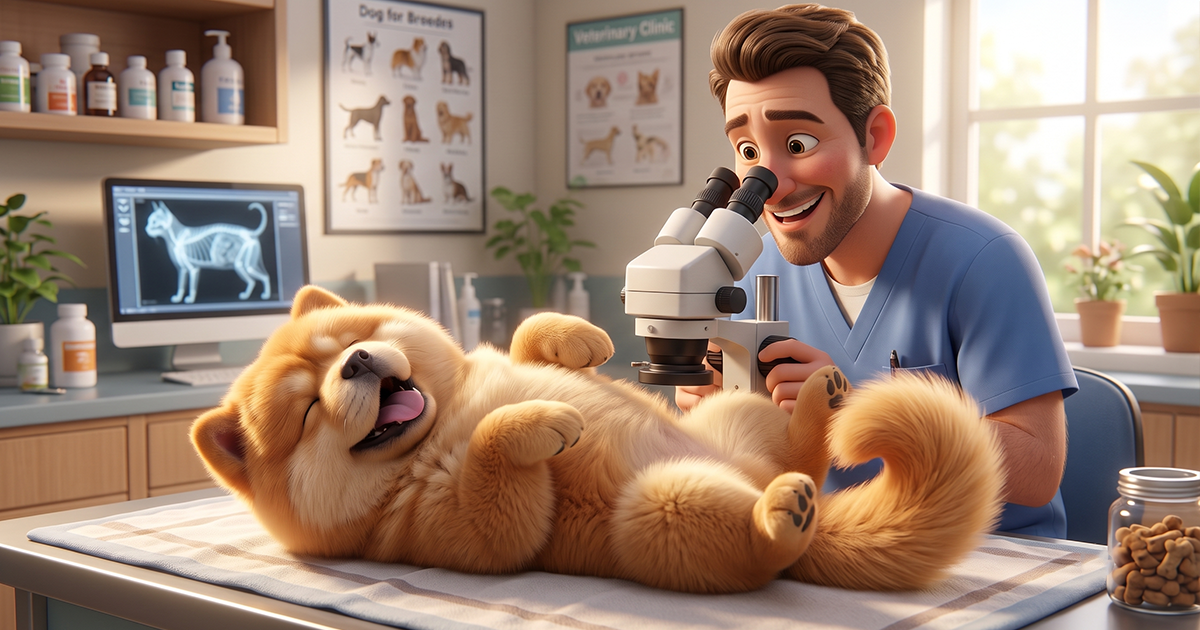
But with all the playful moments and wagging tails comes a crucial responsibility: ensuring your furry friend stays happy and healthy. A dog’s health isn’t just about vaccinations and vet visits but building habits that prevent medical issues in the long run. So, whether you just brought home a puppy, are fostering a rescue, or are an experienced pet parent, here are some essential dog healthcare tips you should know:
1. Getting Started: Vaccinations and Preventive Medications
One of the first steps to ensure your dog’s well-being is getting them vaccinated against life-threatening diseases like Rabies, Parvovirus, Distemper, and Hepatitis. In India, you can start vaccinating your puppy at the age of 6 to 8 weeks; however, the entire immunization process can last anywhere between 2 and 4 months. Once fully vaccinated, adult dogs are then given booster shots every year, with dosage and frequency varying based on age, breed, and overall health indicators.
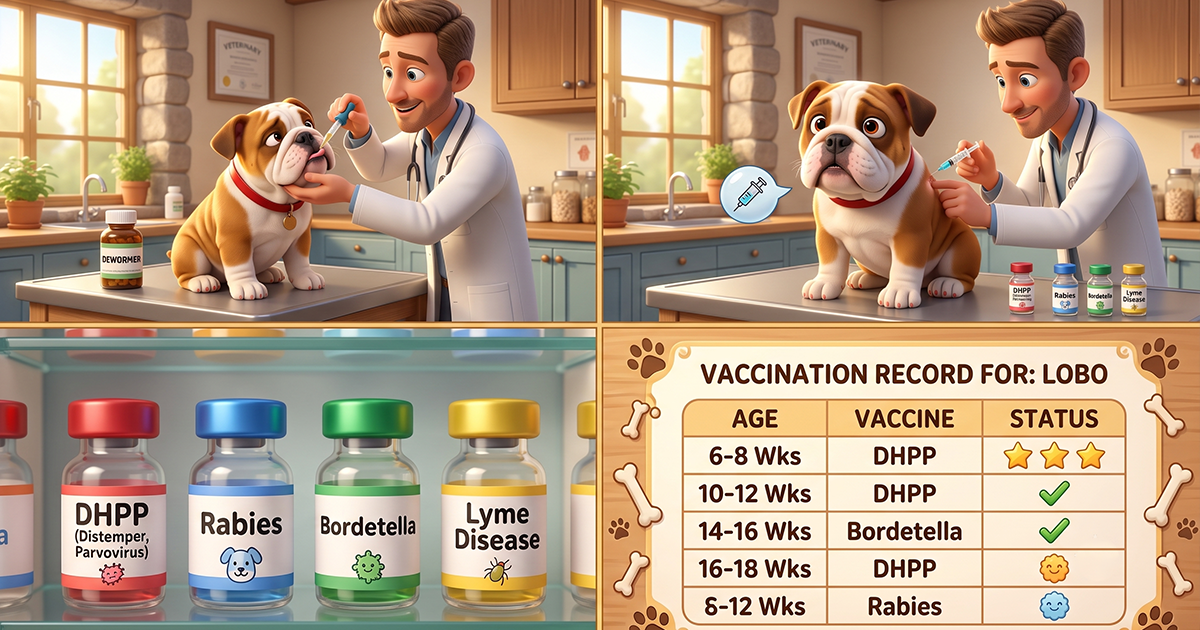
While vaccinations are essential, it is crucial to not overlook preventive medications. It is advisable that dogs be dewormed every 1 to 3 months or as recommended by a professional. You can also opt for immunity-boosting supplements, such as probiotics, calcium, and vitamins, especially if your dog is recovering from an illness or shows signs of deficiencies. For instance, when puppies tend to chew on everything from walls to wooden furniture, it can be due to a calcium deficiency.
Pro tip: Maintain a record of your pet’s vaccination schedules, vet visits, and medications. It will not only make your life easier but will also ensure consistent, hassle-free care.
2. Routine Vet Visits: A Healthy Habit
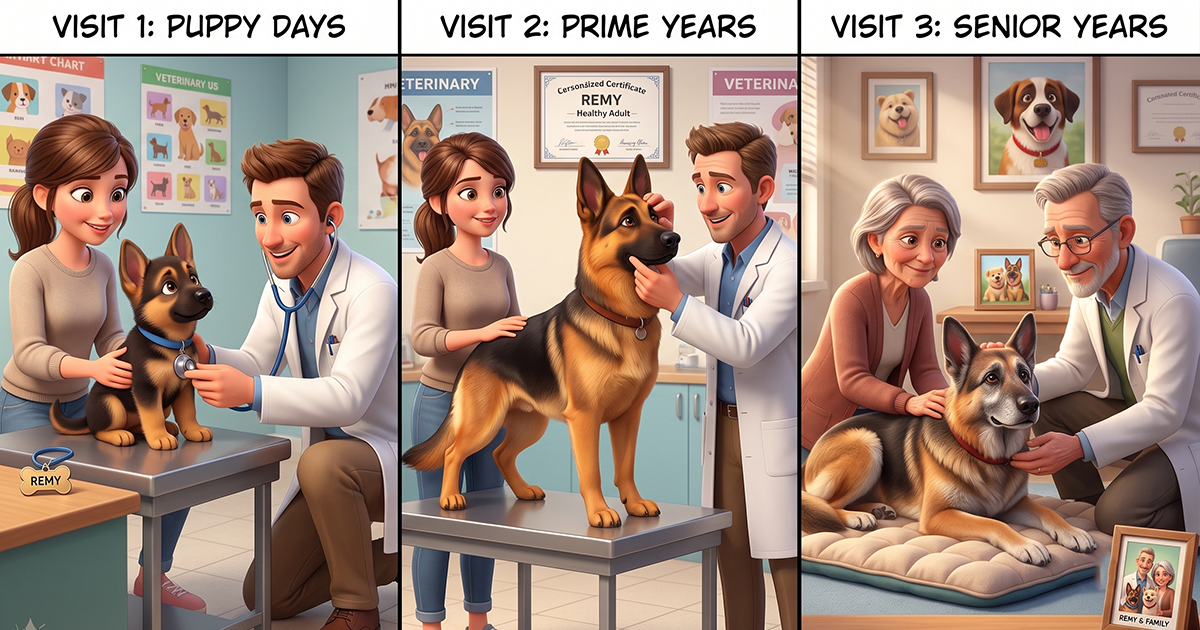
If your pet hasn’t been to the doctor in a while, it’s time to schedule their next appointment. While your dog may appear perfectly healthy, sometimes, there can be underlying health issues that only a professional may be able to diagnose. For puppies, it is recommended to see a vet every few weeks for the first 4-6 months, and adult dogs must get routine checkups at least once a year. However, if your dog is aging or has been diagnosed with a medical condition, you may have to work with your vet for a tailored plan that meets their requirements.
After all, prevention is always better than cure, especially when it comes to your pet’s health!
3. Feeding Right: A Well-Balanced Diet
As we all know, a well-balanced diet is the foundation of good health, and the same applies to your furry companion. Dogs need a mix of proteins, carbohydrates, vitamins, minerals, and fats in their everyday diet to boost immunity, aid digestion, and maintain a healthy weight. However, every dog is different, and their nutritional needs vary based on breed, age, size, and overall health indicators.
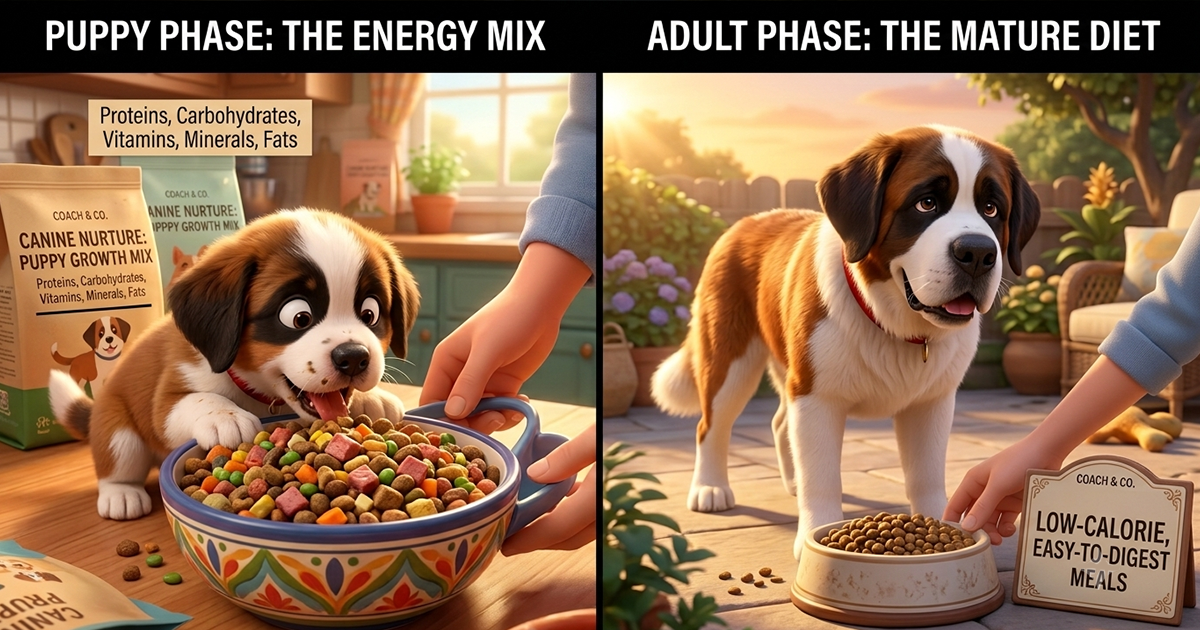
Puppies, for instance, require a fat & protein-rich diet to boost energy, maintain lean tissue, and sustain rapid growth. On the other hand, senior dogs may benefit from low-calorie, easy-to-digest meals that enhance metabolism and bone strength. You can choose and alternate between commercial-grade kibble, home-cooked meals, canned food, and raw diets to ensure complete nutrition. It is also important to remember that not all food items are safe for dogs. Here is a list of unsafe foods for dogs:
- Onion, garlic, tomatoes, mushrooms
- Chocolate and coffee
- Cooked bones
- Grapes, raisins, and macadamia nuts
- Avocados, cherries, and wild berries
- Alcohol and artificial sweeteners like Xylitol
It is recommended to consult with a vet before adding something to your pet’s diet. Additionally, avoid feeding them too many treats, offer controlled portion sizes, and don’t switch up ingredients too frequently, as it can cause an upset stomach. Plus, make sure they always have access to clean and fresh drinking water.
4. Regular Grooming is a Must!
For dogs, grooming is about more than just looking clean and extra adorable. It helps maintain their skin, coat, and overall health while also providing a bonding opportunity for you and your four-legged best friend.
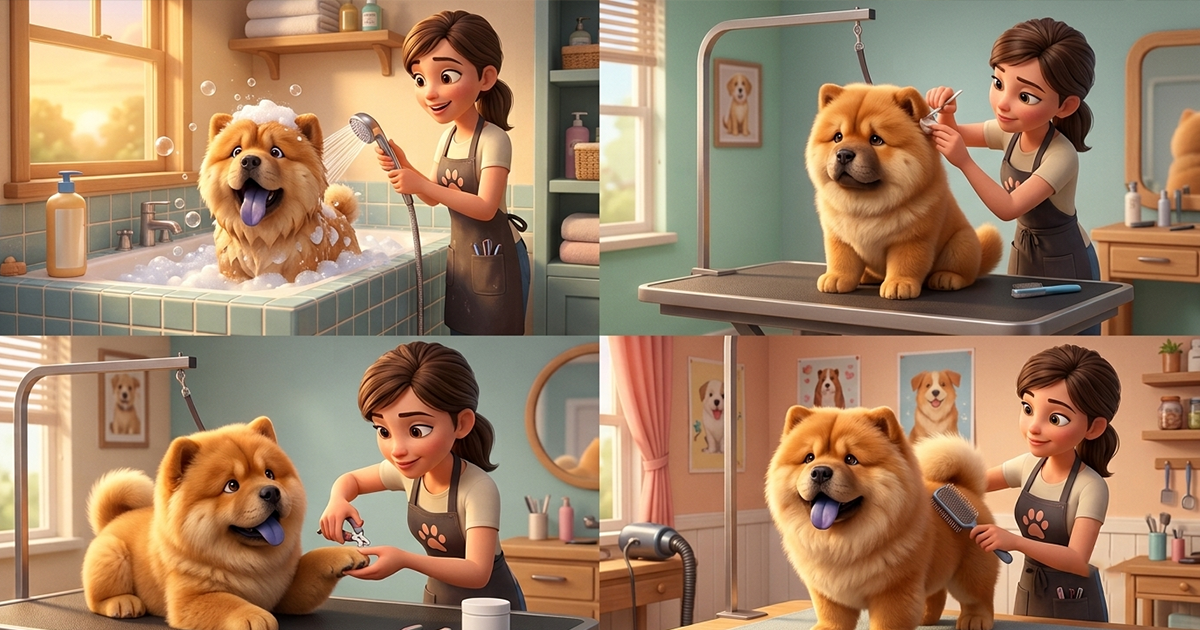
So, here are some basic grooming habits to include in your pet’s routine:
● Bathing: Dogs should be bathed once every 3 to 4 weeks, using a mild, dog-safe shampoo. Since there are various options available in the market, a quick check-in with a professional is always advisable!
● Brushing: Whether your dog is long-haired or short-haired, brushing is important as it helps remove dead skin, prevents matting and tangling, and removes loose fur. It also keeps skin allergies at bay; however, excessive brushing can do more harm than good, which is why you must follow a vet-approved schedule.
● Nail Trimming: In addition to looking shabby, long nails can affect your dog’s walking posture, and they might also end up hurting someone or themselves while playing. So, you can either trim your pet’s nails at home every 2 to 3 weeks or opt for dog grooming services for a smoother experience.
● Dental Care: Dogs’ teeth should be brushed at least twice a week. You must, however, use xylitol-free and pet-safe toothpaste along with a gentle toothbrush. Alternatively, you can consider dental chews.
● Ear Cleaning: Regularly cleaning your dog’s ears can ensure they don’t develop infections, and doing so is all the more essential for breeds with floppy ears. Make sure you use a vet-recommended ear cleaning solution and follow all necessary precautions.
Bonus Tip: Always keep some treats handy if grooming at home!
5. Physical Activity and Mental Enrichment Go Hand in Hand!
Does your dog seem bored or lethargic? Do they exhibit destructive behaviour or wake up multiple times throughout the night? If yes, it is possible that your pet may not be getting sufficient physical and/or mental stimulation.

As dogs are curious and active beings, they need adequate outlets for their energy, which should include a mix of various activities. Doing so builds confidence, reduces anxiety, keeps
behavioural issues in check, and prevents obesity and other health issues. So, here are some tips that support both physical and mental enrichment for dogs:
● Daily Walks: While most of us know this one, the importance of daily walks can often be overlooked. It is crucial to include a 30- to-60-minute walk, depending on your dog’s energy levels. You can also go for short durations multiple times a day. However, if you live in a high-temperature climate, it is best to go for early-morning or late-night walks to avoid heat strokes and dehydration.
● A Game of Fetch: This is a simple yet effective way of ensuring your dog is stimulated both mentally and physically. It encourages movement, coordination, and focus. Whether it’s in your backyard, living room, or a nearby park, fetch is always a winner.
● Training Sessions: Consistent training sessions can do wonders for your pet’s mental health. Practice basic commands like sit, stay, jump, down, high-five, and more to enhance obedience and discipline while giving them a sense of accomplishment.
● Interactive Toys: Today, you can easily find interactive toys for dogs on online marketplaces and in pet stores. These include snuffle mats, puzzles, treat-dispensing toys, and much more, and incorporating them into playtime can enhance both physical and mental enrichment. You can even DIY some of these toys to keep it easy on your wallet!
Additionally, you can take your dog to pet-friendly cafes, switch up their walking route every few days, and introduce new toys weekly.
A Little Care Goes a Long Way!
From well-balanced meals and regular vet checkups to grooming and mental stimulation, each aspect plays a crucial role in improving and maintaining your dog’s well-being. But that’s not all! It is also important to stay informed and observant, do your own research, and stay in touch with a veterinarian. Because at the end of the day, it’s not just about keeping your dog healthy but also giving them the best possible life!
Frequently Asked Questions (FAQs)
1. How often should I take my dog to the vet for a check-up?
For puppies, it’s best to visit the vet every few weeks during the first 4–6 months. Adult dogs should ideally have a routine check-up once a year. However, senior dogs or those with ongoing health issues may require more frequent visits based on a personalized care plan from your vet.
2. What vaccinations does my dog need, and when should they get them?
Dogs should be vaccinated against Rabies, Parvovirus, and Distemper, starting at 6–8 weeks of age. The full immunization schedule typically spans 2–4 months. Adult dogs need annual booster shots, with the exact schedule depending on breed, age, and health.
3. What kind of diet is best for my dog?
Dogs need a balanced mix of proteins, fats, carbohydrates, vitamins, and minerals. The ideal diet will vary based on your dog’s breed, age, and health. Puppies require nutrient-rich food to support rapid growth, while senior dogs benefit from low-calorie, easily digestible meals. Always consult your vet before making dietary changes.
4. How often should I groom my dog?
Bathing is usually recommended once every 3–4 weeks, but this may vary based on breed and lifestyle. Regular brushing (especially for long-haired dogs), nail trimming every 2–3 weeks, ear cleaning, and dental care (brushing 2–3 times a week) should be part of the routine.
5. What are some easy ways to keep my dog mentally and physically active?
Daily walks, games like fetch, interactive toys, short training sessions, and switching up routines can keep your dog physically and mentally stimulated. Activities like puzzle feeders or teaching new tricks are also great for enrichment.