
Basic Dog Health Problems and Solutions: A Pet Parent’s Guide to Keeping Your Dog Healthy
While being a pet parent is a joyful, rewarding experience, it comes with round-the-clock responsibilities. From leash training and vaccination schedules to grooming and meal prep, there is a lot that goes into caring for your furry friend. But beyond daily routines, it is essential to understand and familiarize yourself with some common and basic dog health problems.
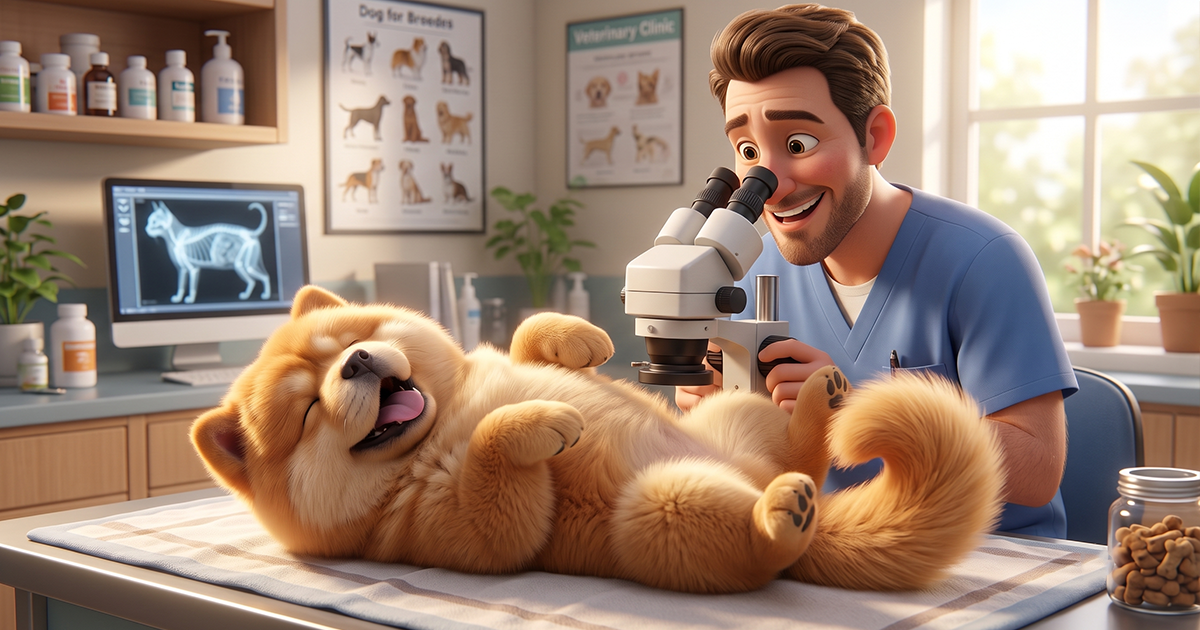
Unlike humans, dogs can’t tell us when they’re in distress (at least not in words), but they do communicate through changes in behaviour. It can be lethargy, loss of appetite, vomiting, diarrhea, excessive itching, or even irregular bowel movements. Learning to recognize the signs early on can ensure timely intervention and treatment. The good news? Most of these health issues can be prevented and managed with a balanced diet, physical activity, and regular vet visits.
In this guide, we will explore basic dog health problems, including their possible causes, symptoms, and solutions. Here’s a list of everything you should be on the lookout for:
1. Fleas, Ticks, and Worms: Spotting and Preventing Parasites
If you’re an experienced pet parent, you probably know your way around parasites. Fleas, ticks, and lice are among the most common external parasites dogs pick up, primarily in outdoor environments like parks, gardens, or wooded areas. These pests thrive in plants and soil and can spread through close contact with other animals. But that’s not all, as internal parasites like hookworms, ringworms, and tapeworms can also pose serious health issues for dogs, especially if left untreated. Here are some symptoms to watch out for:
- Changes in coat appearance, texture, or hair loss
- Unexplained weight loss
- Excessive itching
- Skin infections, including irritation and redness
- Scooting or rubbing their butt against the floor
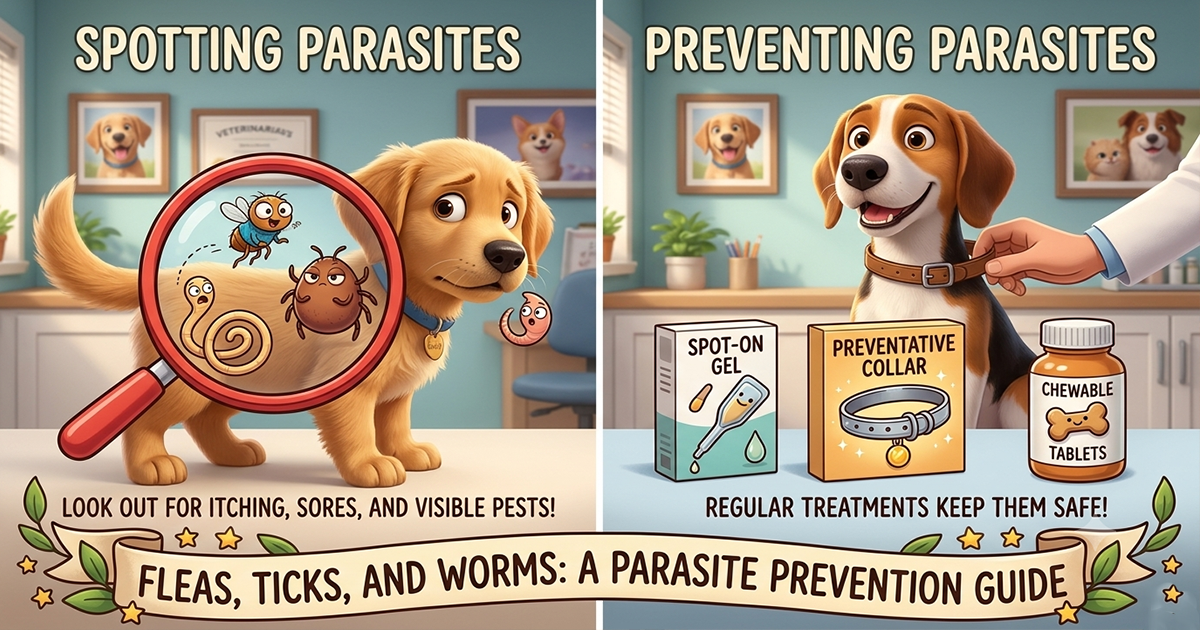
While fleas and ticks are usually visible to the naked eye, worms can be trickier to detect. One of the easiest ways to spot an infestation is by examining your dog’s stool. Tapeworms often appear white, small, and resemble grains of uncooked rice, whereas ringworms are typically round, resembling a rubber band.
Fortunately, parasites can be prevented and treated by following some basic steps:
- Using preventive deworming medication recommended by a veterinarian. It is typically administered monthly or bi-monthly, depending on your dog’s age.
- Routine grooming and hygiene care
- Providing well-balanced, nutritious meals
- Applying anti-parasitic topical treatments like anti-flea sprays. However, since there are a plethora of options available in the market, it is important to consult a professional.
2. Ear Infections: Causes and Care
Another common health issue dogs experience is ear infections, which can be caused by anything from wax buildup and moisture to bacteria and ear mites. In some cases, however, ear infections can be a sign of autoimmune diseases or other underlying illnesses. Thus, pet parents should seek professional aid if they notice any of the following signs:
- Redness and/or swelling in and around the ear canal
- Head shaking or tilting
- Scabbing or crusting
- Foul-smelling discharge
- Sensitivity, itching, or pain around the ear
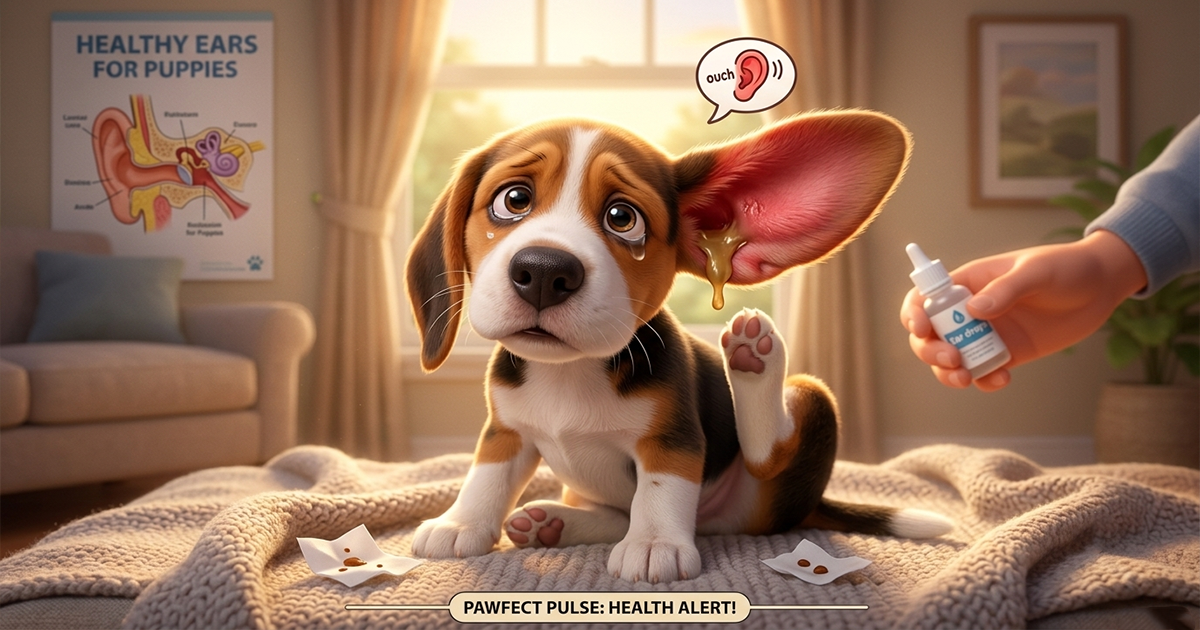
As for prevention, you should regularly clean their ears with a vet-approved solution. Additionally, it is essential to properly dry their ears after baths and swims, as lingering moisture can lead to ear infections. If any of the above-mentioned symptoms continue to persist post medication or continue for a prolonged period, it’s best to evaluate for other potential causes.
3. Diarrhea and Vomiting: When to Worry

When it comes to dogs, diarrhea and vomiting are more common than you may think. It can happen because of digestive issues, food allergies, dietary changes, or swallowing foreign objects. In such instances, it is crucial to closely monitor your pet and watch out for:
- Blood in vomit or stool
- Lethargy and/or fever
- Loss of appetite
If diarrhea or vomiting persists for over 24 hours, talk to a vet as soon as possible. In the meanwhile, make sure your dog has access to clean drinking water, switch to a bland diet (like rice with boiled chicken or curd), and keep their surroundings well-ventilated.
4. Dental Issues: Common Signs and Simple Fixes
There is a common misconception that dogs don’t need dental care; however, that is not the case. Bad breath, plaque and tartar buildup, tooth decay, and inflamed gums (gingivitis) are some of the most common dental issues faced by dogs. Over time, these can also cause periodontal diseases, which affect the bones and tissues surrounding the teeth, which is why it is crucial for puppies and dogs to have a dental care routine.
Here’s everything you can include:
- Regular Brushing: Yes, that’s right! Even dog teeth need to be brushed regularly, and vets recommend doing so at least 2-3 times per week. But while brushing is important, it is critical to not use human-grade toothpaste, as it contains xylitol, an artificial sweetener that is toxic for your furry companion. Instead, consult with a professional and purchase a pet-safe toothpaste. You can also buy a soft, silicone-based brush for hassle-free cleaning at home.
- Dental Care Treats, Chews, and Toys: When looking for dog dental care products, you will come across various treats, toys, and chews that also target dental issues. While these are beneficial in maintaining your pet’s oral hygiene, they should be used under supervision and in addition to brushing, and not as an alternative.
- Professional Dental Cleaning: Even if you are following an at-home oral care routine for your dog, it is advisable to opt for professional dental cleaning every once in a while. This ensures thorough cleaning and allows for a detailed examination of your pet’s gums and teeth. As far as frequency goes, you must consult with a veterinarian, as the need for deep dental cleaning varies based on breed, age, and other factors.
It is also important to remember that well-balanced, nutritious meals also go a long way in promoting your dog’s dental health. And if you’re worried about emerging dental health issues, here are some common warning signs:
- Red, swollen, or bleeding gums
- Broken or chipped tooth
- Excessive drooling
- Foul, rotten breath
- Difficulty chewing or swallowing food
5. Obesity: More Than Just Extra Weight
Obesity is one of the most overlooked health issues in dogs, and many pet parents don’t realize it until weight gain manifests into serious health issues. Being overweight increases a dog’s risk of developing diabetes, heart disease, arthritis, respiratory illnesses, and a weakened immune system. So, what can you do to prevent obesity? Here are some tips:
- Ensure your four-legged friend gets sufficient exercise. In addition to daily walks, you can include a mix of activities like swimming and agility training.
- Don’t offer large portions of food throughout the day. Instead, give small portions at regular intervals. You can also consider using measuring cups.
- Treats should not account for more than 10% of your pet’s daily calorie intake, and it is crucial to avoid giving them too many.
- Opt for fresh, home-cooked meals, and don’t depend too much on kibble or packaged food.
- Monitor your pet’s weight regularly. Keeping a record can also be beneficial in identifying sudden changes and having informed discussions with your vet.

Unsure if your dog is obese? Here are some common signs of obesity:
- Shortness of Breath: If your pet experiences shortness of breath from everyday physical activities like walking and playing fetch or needs frequent breaks during, it is possible they might be overweight.
- Difficulty Feeling Ribs: An efficient way to check if your dog is carrying some extra weight is to feel their ribs. If all you feel around the sides is fat, it’s time to start managing their weight.
- Invisible Waistline: A low-hanging belly, coupled with an invisible waistline and barrel-shaped body, are common telltale signs of obesity in dogs.
- Limited Mobility: Is your pet struggling to get up from a lying position or hesitating to jump? Excess weight could be a contributing factor!
Although a dog’s weight can be easily managed, sometimes obesity can be a sign of underlying health problems. If your pet shows no signs of improvement despite following a weight-control regimen, it is best to consult with a vet.
Final Thoughts
When it comes to our pets’ health, prevention is always better than cure. Staying proactive with routine vet checkups, up-to-date vaccinations (including booster shots), nutritious meals, hydration, daily exercise, consistent grooming, and mental stimulation are all important to keep your dog in shape.
Staying informed and observant is equally important, especially as veterinary medicine and research continue to evolve. Staying up-to-date on the latest information and best practices will allow you to make better, informed decisions for your pet’s well-being.
Lastly, always consult with a veterinarian when in doubt. No matter how much we read and research, vets are trained professionals who can identify health issues early, treat them effectively, and ensure your furry friend enjoys a long and healthy life!
Frequently Asked Questions (FAQs)
1. What are some common health issues to watch out for in dogs?
The most common issues include parasites (like fleas, ticks, and worms), ear infections, vomiting, diarrhea, dental disease, and obesity. Each comes with its own set of symptoms, such as excessive itching, lethargy, bad breath, or changes in appetite, that pet parents should monitor closely.
2. How can I tell if my dog has worms or other internal parasites?
Internal parasites can be harder to spot than fleas or ticks. Look out for signs like weight loss, scooting, changes in stool, and visible worms in feces (which may resemble grains of rice or round rubber-like bands). A vet can confirm the diagnosis and recommend a deworming schedule.
3. Is vomiting or diarrhea in dogs always serious?
Not always. Occasional digestive upsets may happen due to dietary changes or minor infections. However, if vomiting or diarrhea lasts more than 24 hours, or if you see blood, lethargy, or loss of appetite, consult a veterinarian immediately.
4. How often should I brush my dog’s teeth?
Ideally, you should brush your dog’s teeth 2–3 times a week using pet-safe toothpaste. You can also use dental treats and chews as supplementary care. For deep cleaning and proper checkups, you can also opt for professional dental services as advised by your vet.
5. What are the early signs that my dog might be overweight?
Shortness of breath during activity, difficulty feeling their ribs, lack of a visible waistline, or low-hanging belly are all red flags. Obesity can lead to serious health issues like diabetes or arthritis, so managing your dog’s diet and exercise is crucial.