
Things to Prepare Before Getting a Puppy: The Complete Checklist
Whether you’re a first-time pup parent or are adding another one to the pack, it’s crucial to start preparing for your furry friend’s arrival well before the big day. And no, we don’t just mean buying a collar and a name tag, but puppy-proofing your home, planning their daily routine, getting started on vaccinations, and much more. Moreover, it’s not just about what suits your lifestyle; it’s equally important to consider what’s best for your puppy.

While it can sound overwhelming at first, today, you can find everything from products and services to resources and evidence-backed research that make the transition easier. So, before you get swept away by tiny paws and endless cuddles, here’s a quick rundown of everything you need to do before getting a puppy home:
1. Puppy-Proofing: Creating a Safe Space for Exploration
Just like toddlers, puppies are curious beings who love to explore, and that entails chewing, swallowing, and knocking things over. They don’t know safe from unsafe, but you do, which is why puppy-proofing your home is crucial. Here are some important tips you must follow:
- Keep all gates and windows closed at all times to avoid any escapades.
- Ensure all cords and electrical wires are not within your puppy’s reach.
- Get lids for everything – dustbins, laundry baskets, storage bins, and even toilet seats. Puppies tend to explore with their mouths, and open containers increase the risk of chewing or swallowing something they shouldn’t.
- Keep away all poisonous and unsafe items, such as medications, cleaning supplies, knives, razors, and houseplants. Also remove items like paper clips, potpourri, and jewellery, as these can be a potential choking hazard.
- Lastly, make sure your puppy can’t reach human-grade food, especially toxic substances like xylitol, chocolate, raisins, grapes, and nuts. Not entirely sure what’s safe? Check out this guide on dog-safe foods.
2. Finding a Trusted and Reliable Vet
Once you’re done puppy-proofing your space, it’s time to find a trusted and reliable veterinarian for your pup, especially if you don’t already have one. You can always scout the internet for nearby vets; however, look for clinics that are clean, well-reviewed, and offer comprehensive, round-the-clock service. We also recommend getting in touch with friends and families who have dogs. Personal recommendations based on real-life experiences can offer better insight into the vet’s approach to pet care.
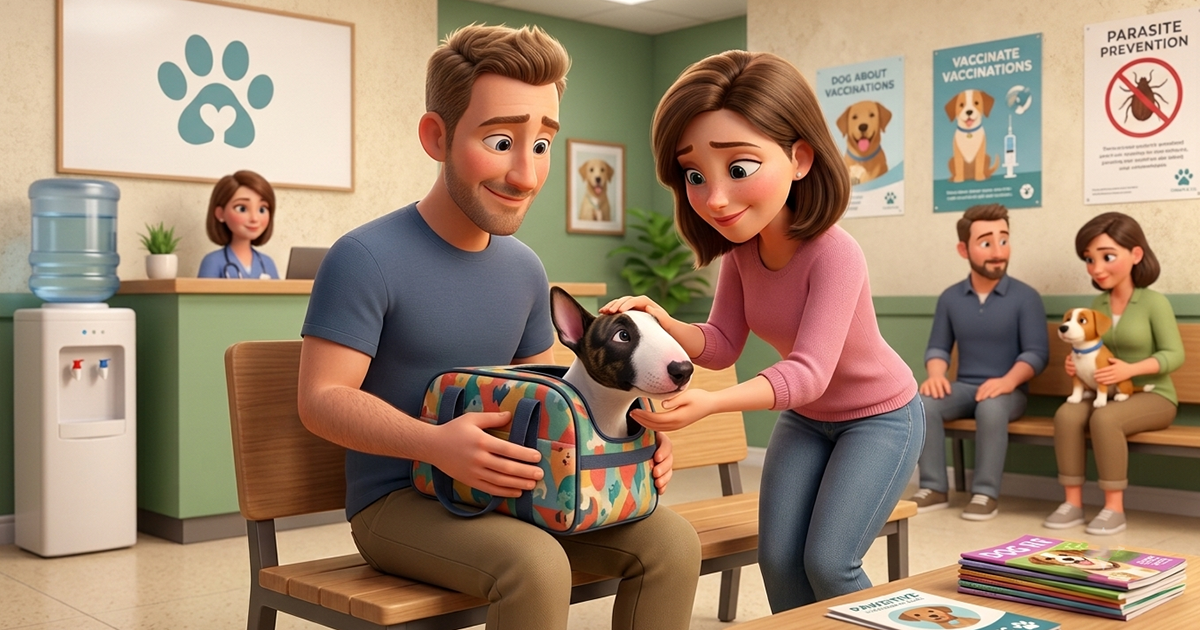
After you’ve finalized a veterinarian, it’s time to make a visit once your puppy is home. Discuss everything from vaccination schedules and deworming to nutrition and grooming to ensure proper and timely care for your four-legged baby!
3. Gathering the Essentials: What Your Puppy Needs on Day One
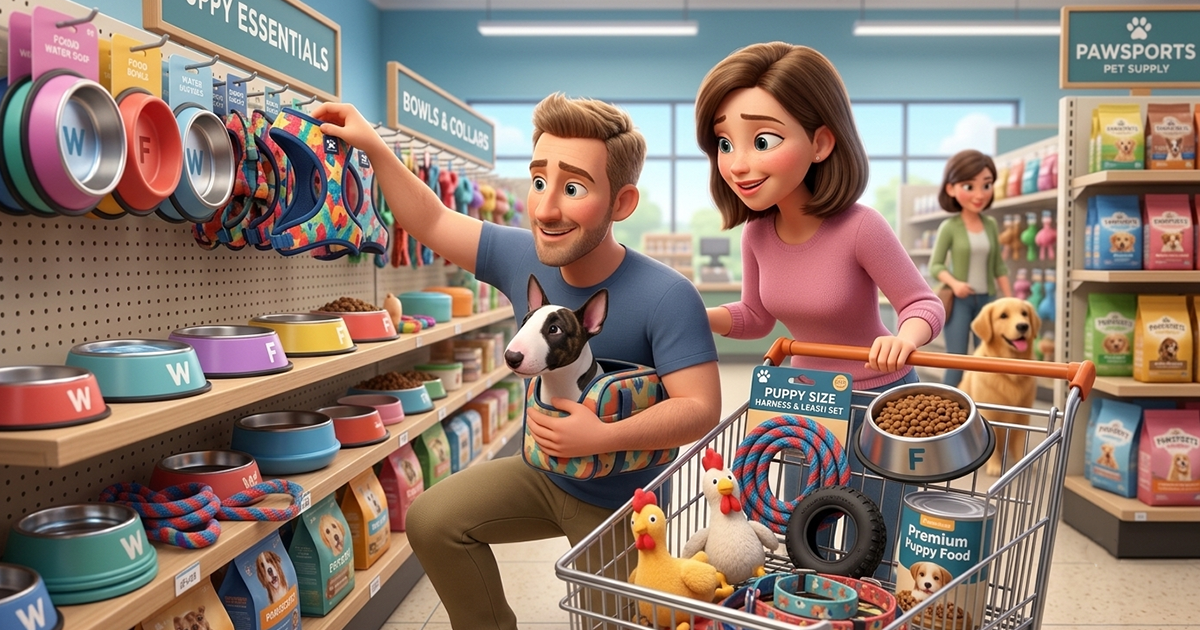
The next step to prepare for your puppy’s arrival is gathering all essential supplies, which include:
- Food and water bowls, preferably food-grade stainless steel, as it is durable and easy to clean. But since there are a lot of options available in the market, it is important to do your research on safe and unsafe materials for dog bowls.
- A comfortable collar that isn’t harsh on your puppy’s skin and fur and a name tag with your contact details so they can always be identified.
- While outdoor walks may not start until puppies get their first few immunization shots, buying a harness and a leash is always a good idea. The time spent indoors can be used to introduce them to the harness and begin basic training, making outdoor walks much easier and smoother.
- Vet-recommended puppy food. Although it’s advisable to give 4 to 6 meals a day, always consult with a professional, as all dogs have different nutritional requirements.
- A comfortable bed or a crate if you plan to crate-train; however, it is crucial to evaluate the pros and cons of crate training.
- Training pads, which are available in both one-time-use and reusable options. Make sure to have a couple of these lying around the house to make cleaning easier.
- Toys, especially chew toys, as most puppies are heavy chewers. You can also purchase interactive toys and dog-friendly puzzle games to keep them entertained.
- Last but not least, buy pet-safe grooming supplies. Essentials include a nail cutter, hair comb/brush, toothbrush, shampoo, and wet wipes!
4. Feeding and Nutrition: Getting Your Puppy’s Diet Right
Well-balanced, nutritious meals are the cornerstone of your puppy’s health, especially as they tend to grow rapidly during the first 12 months. A puppy’s diet should be rich in essential vitamins and minerals while supporting the development of their bones, muscles, organs, and brain. So, how do you start? You can research breed-specific dietary needs. For instance, small breeds usually require energy-rich food, while large breeds typically need high-protein meals.
Additionally, you must consult with your vet for any tailored diet recommendations, as what works for other dogs might not be suitable for your puppy. If you buy commercial-grade puppy food, make sure it meets all necessary food regulation standards. If you plan on giving home-cooked meals, always double-check for any nutritional gaps.
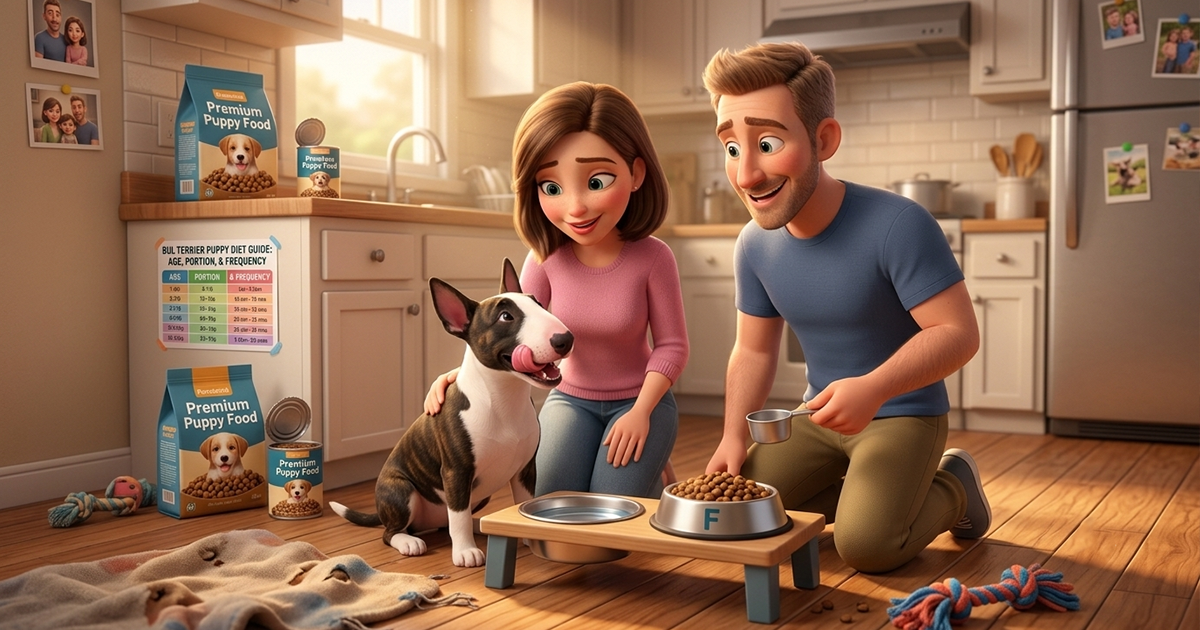
Here are some key feeding tips for puppies:
-
-
- Maintain a Schedule: Since puppies (and dogs in general) thrive on schedules, it is crucial to maintain one. Feed controlled portions at regular intervals, which should be anywhere between 4 and 6 meals a day for the first few months.
- Say No to Table Scraps: Whether you’re munching on some wafers or having dinner, be prepared for the irresistible ‘puppy eyes’ begging for food. While it’s tempting to share your food with your puppy, most human-grade foods contain salt, spices, and condiments, which can be harmful. Giving them your food can also reinforce this behaviour, which is why you must say no to table scraps.
- Avoid Frequent Meal Changes: Puppies have a sensitive digestive system, and switching up their meals or even meal brands too frequently can cause an upset stomach. Hence, always introduce new foods gradually and observe your pet closely.
- Regularly Monitor Their Weight: Obesity is more common in dogs than you may think, which is why it is crucial to monitor their weight regularly and also keep tabs in a phone or notebook.
- Access to Fresh Drinking Water: Lastly, make sure your puppy always has a bowl of fresh drinking water, particularly after meals and playtime.
-
Pro Tip: Use mealtime as a bonding or training opportunity. You can also check out slow-feeding bowls if your puppy eats too fast. Alternatively, you can buy interactive feeders to provide mental enrichment and keep them engaged.
5. Early Training and Socialization: Raising a Confident and Obedient Pup
When it comes to training dogs, the earlier you start, the better. Puppies are fast learners, and early training can help them adjust to your routine and lifestyle. Start with basic commands like “sit,” “stay,” “jump,” “down,” and “leave it” while rewarding good behaviour with praise and treats. Initially, it is ideal to keep training sessions short (between 10 and 20 minutes) because while puppies learn quickly, they don’t have the best attention span. Also avoid using punishment-based methods for training, as these can trigger fear, anxiety, and reactive behaviour. Instead, focus on building communication and trust with your pet, and try to stay calm.

Equally important for puppies is socialization, as it helps build their confidence, especially in over-stimulating environments like parks and gardens. Gradually introduce them to different sounds, surfaces, people, and fully vaccinated dogs in a controlled manner. You can also take your puppy for short car rides in your neighbourhood, invite a couple of friends to your house, or visit pet-friendly cafes once approved by the vet.
Focusing on early training and socialization can go a long way in preventing behavioural issues and deepening your bond with your puppy, so be sure to get started right away!
A Little Planning = A Lifetime of Joy
While bringing home a puppy is an exciting and transformative experience, it comes with its fair share of responsibilities. From puppy-proofing and feeding plans to early training and vet visits, every small step lays the foundation for a happy, healthy, and well-adjusted dog.
Preparing ahead with the right supplies, routines, and mindset will not only make the transition easier but will ensure both your and your puppy’s well-being. So, take a deep breath and make sure you enjoy every tail wag, sloppy kiss, and adorable moment!
Frequently Asked Questions (FAQs)
1. When should I start preparing for my puppy’s arrival?
Ideally, you should start preparing at least a week before your puppy arrives. This gives you enough time to puppy-proof your home, gather essential supplies, choose a vet, and plan their daily routine so the transition is smooth and stress-free for both of you.
2. Do I really need to puppy-proof my house?
Absolutely! Puppies are curious and love to chew, climb, and explore. Puppy-proofing helps prevent accidents and keeps dangerous items (like wires, sharp objects, and toxic foods) out of reach. Think of it like baby-proofing, but for a furry toddler with sharper teeth.
3. What are the most important things I need for my puppy?
Some must-haves include: Food and water bowls (preferably stainless steel, puppy food (vet-approved, a comfy bed or crate, training pads and cleaning supplies, a collar with an ID tag, a leash or harness, chew toys, and grooming essentials. Having these ready helps your puppy settle in comfortably from day one.
4. When can I start training my puppy?
You can begin basic training as early as 8 weeks old! Start with simple commands like “sit” or “stay,” using treats and positive reinforcement. Keep training sessions short and consistent, and avoid punishment-based techniques. Early training helps build discipline and strengthens your bond with your furry companion.
5. How soon should I visit the vet after bringing my puppy home?
Within the first few days of getting your puppy, schedule a vet visit. The vet will conduct a general health check-up, discuss vaccination and deworming schedules, and guide you on diet, grooming, and overall care. This early visit sets the stage for lifelong health.